
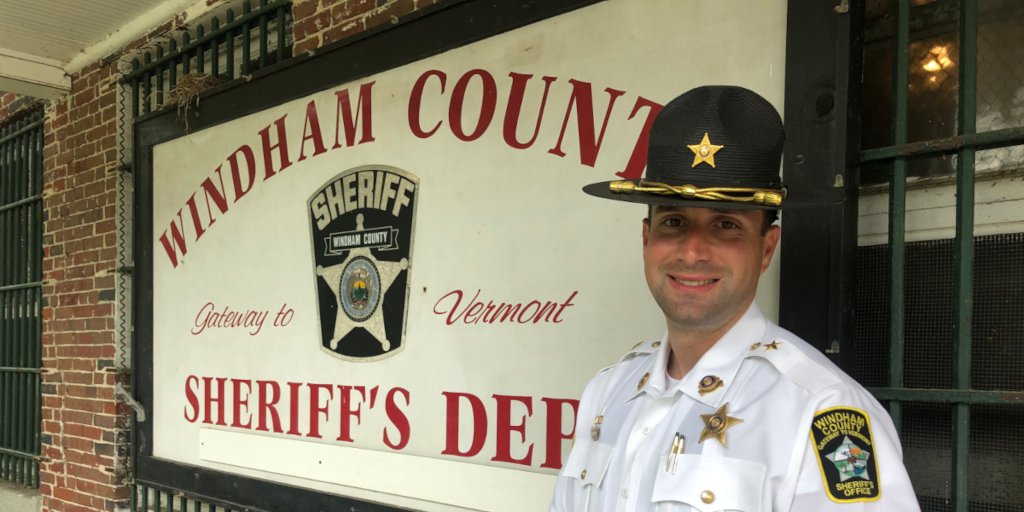
Sheriff Anderson
In front of the former Sheriff's Office
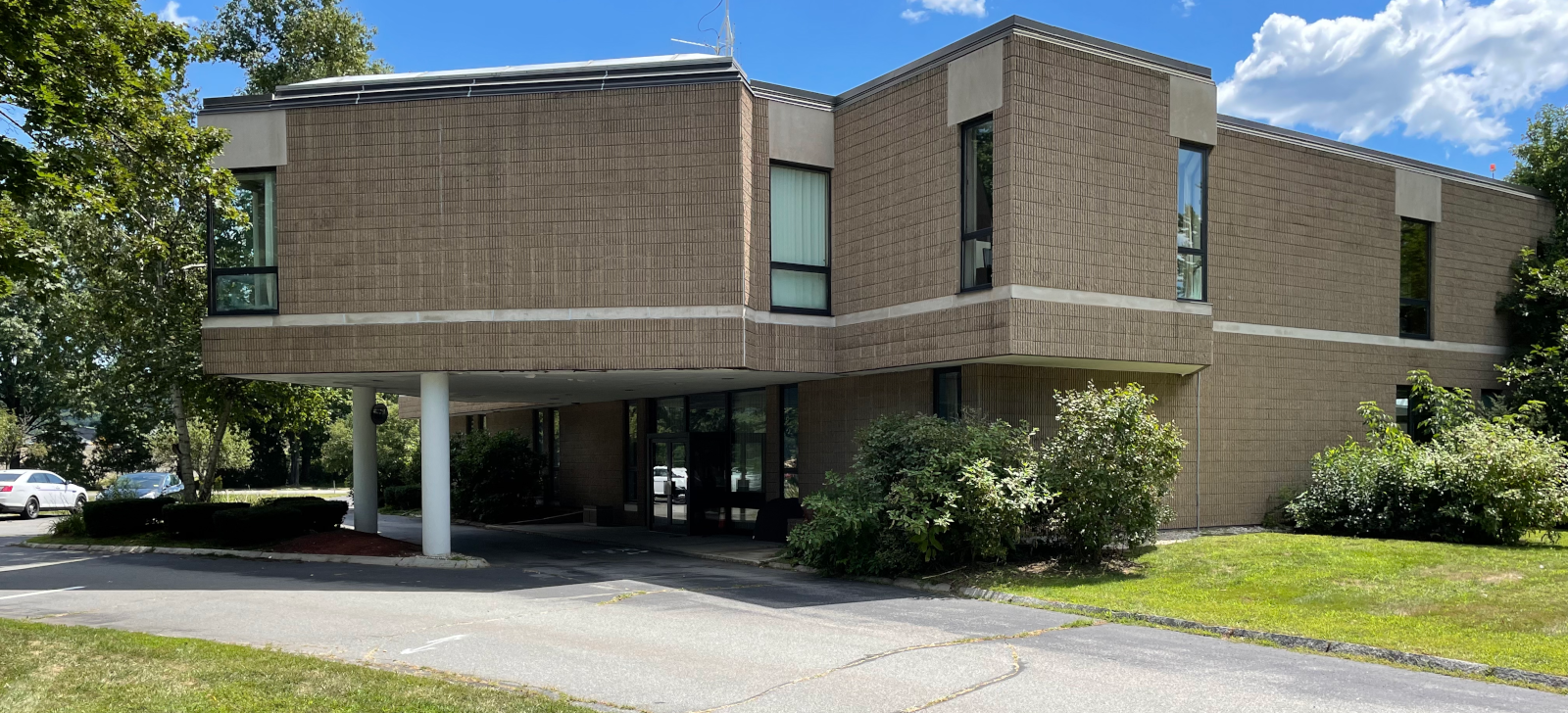
WCSO's New Headquarters
We are now located at 185 Old Ferry Road, Brattleboro

Anderson graduates National Sheriff's Institute
NSI: Leadership Course graduation photo
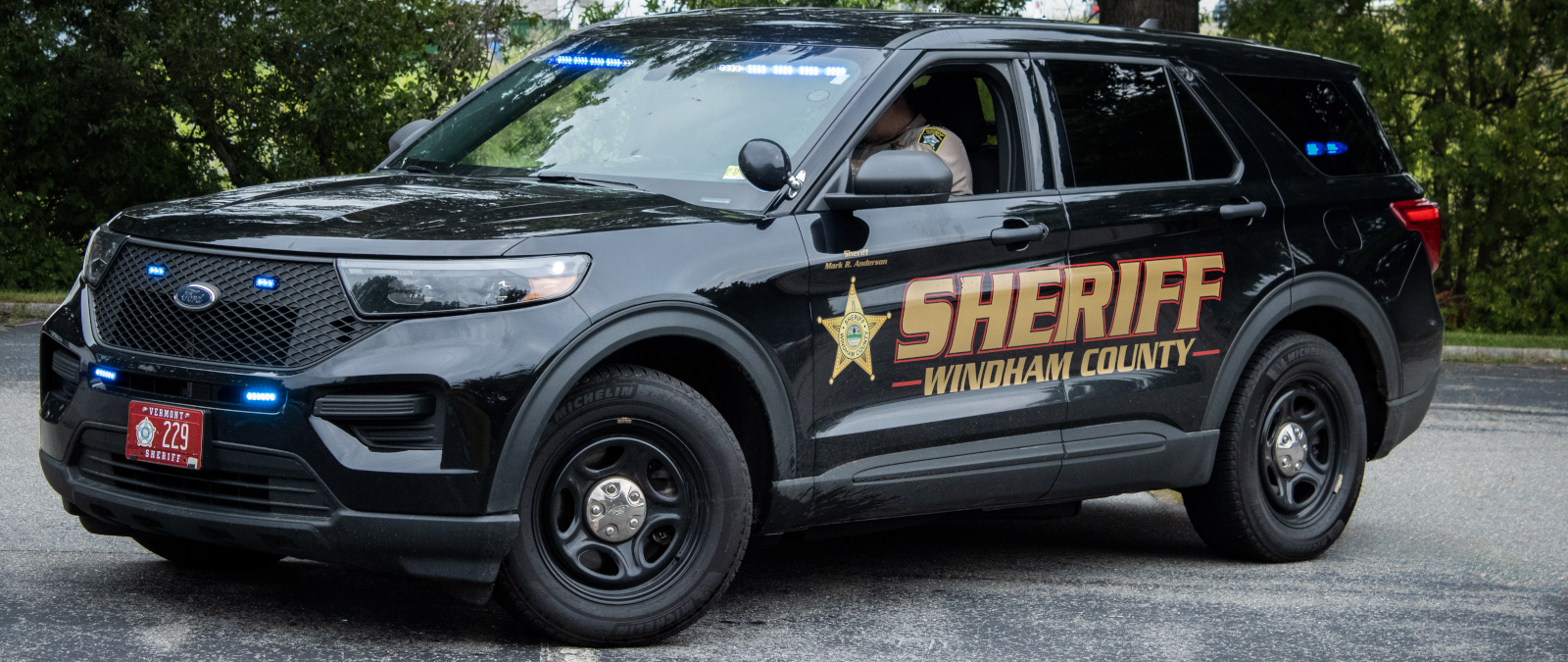
Sheriff's Interceptor SUV
WCSO operates a variety of vehicles to serve the community
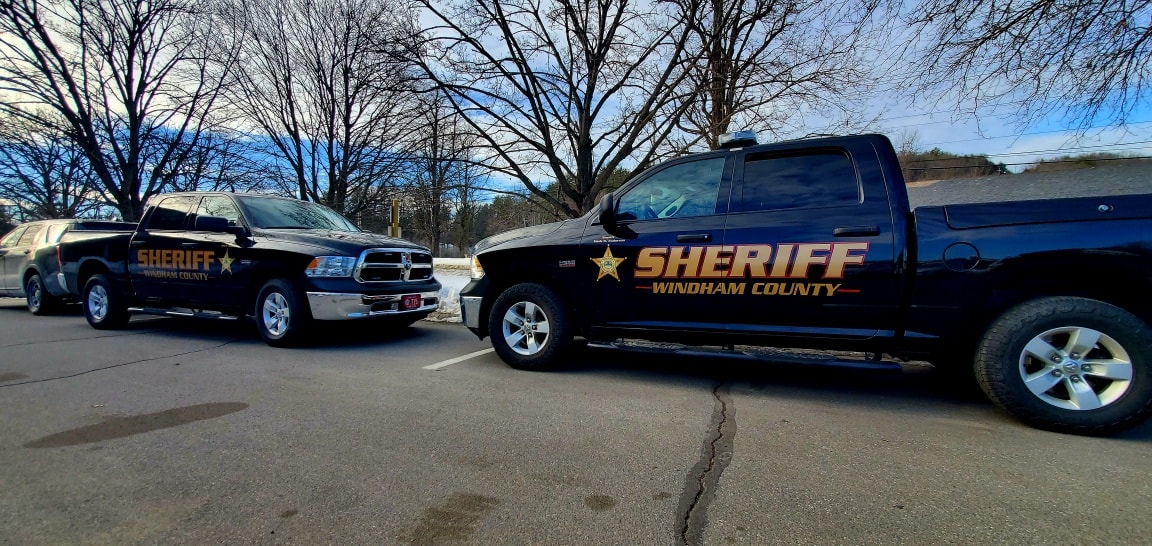
Sheriff's Ram Trucks
To report a crime, please contact your local police agency. For emergencies, call 911.
Regional Policing
Law Enforcement Governance Council
Meeting documents, agendas, minutes
Meeting Dates
Every Wednesday in September 2026, at 4PM
September 2, 2026 @ 4PM
September 9, 2026 @ 4PM
September 16, 2026 @ 4PM
September 23, 2026 @ 4PM
September 30, 2026 @ 4PM
The Project
S.255 is a Vermont Senate bill that would establish a voluntary, time-limited pilot in Windham County to test a Law Enforcement Governance Council model. The goal of the pilot is to give participating municipalities a structured way to jointly plan, budget, and oversee law enforcement and related public safety services.
Current Status
As of May 19, 2026:
- Governor Scott signed S.255 into law on May 19, 2026. S.255 became Act 104 of 2026.
- S.255 was delivered to the Governor on May 13, 2026.
- The Vermont Senate concurred on May 5, 2026.
- The Vermont House passed third reading as amended on April 28, 2026 and returned it to the Senate for concurrence.
- The Vermont House passed second reading on April 23, 2026.
- The House Committee on Ways & Means passed S.255 on April 23, 2026.
- The House Committee on Government Operations passed S.255 on April 15, 2026 and it was referred to the House Committee on Ways & Means
- The Vermont House read S.255 on March 11, 2026 and referred it to committee.
- The Vermont Senate passed S.255 on February 27, 2026 and forwarded the bill to the House
- The Vermont Senate passed second reading on February 26, 2026.
- The Vermont Senate Committee on Government Operations issued a favorable report with a recommendation of amendment on February 24, 2026.
The official and most up-to-date bill status is available on the Vermont Legislature web site: https://legislature.vermont.gov/bill/status/2026/S.255
Key Points
- Voluntary participation: Towns choose whether to participate. If a town does not join, nothing changes.
- Governance focused: The pilot field-tests how services are governed and funded. While a benefit felt by the public would be related to law enforcement, it does not seek to expand/significantly alter daily law enforcement operations.
- Local control: Participating towns have representation in budget and service decisions.
- Service based funding: Costs are tied to participation and services selected by member towns.
Frequently Asked Questions
Does S.255 force towns to participate?
No. Participation is voluntary. Towns that do not opt in remain non-members and continue under their existing arrangements.
Does S.255 create a new tax?
No. The pilot is structured so participating towns fund the services they choose. Towns that do not participate are not charged for pilot services. Fifteen towns in Windham County have historically raised funds for policing. Our intent is that this existing funding be used.
Who sets the pilot budget?
The Governance Council would set an annual budget for law enforcement and related services.
What services could be included?
Services may include patrol coverage, dispatch coordination, animal control, or other public safety services chosen by participating towns.
You said this isn't law enforcement focused...
Generally, Vermont law has functioning systems to "do the thing," which in this case we are talking about policing. We have a statewide police academy that provides a strong, competency-based training curriculum. We have professional law enforcement organizations who are competent to perform the service.
Vermont struggles "providing resources" which enable "the thing" (policing) to be done, especially in rural communities. Approximately ~79% of Vermont towns do not have a police department. Towns have to raise funds. They can contract with the Sheriff for services. Those services, unlike other government services are managed like other contracts a town might get - including one for a photocopier. As such, the public's belief in how services should be obtained are contrary to the business model that contracts encourage and enforce.
Our vision is that we rally support for improving governance structures around the common "thing." That sounds easy but has been a sixty-plus year problem.
How does accountability work?
The pilot establishes clear governance, budgeting, and performance expectations, with reporting and evaluation requirements.
Timeline
- January 15, 2026 - Bill introduced and referred to Senate Government Operations
- February 24, 2026 - Favorable committee report with recommended amendment
- February 27, 2026 - Passed the Vermont Senate and forwarded to the House.
- Next steps include House consideration, and Governor review
